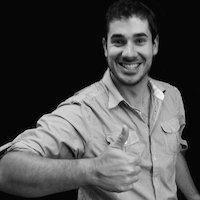
Dr Don Greene, the master performance coach who trains musicians, dancers, singers, and actors to achieve optimal and peak performances under pressure, talks to Sarah Willis about how to perform your best on stage. This live Horn Hangout was part of the International Horn Symposium 2015 held in Los Angeles.

Transcript
Auto-generated from the live stream, expect the occasional robot mishearing.
[Music] [Applause] good afternoon from Los Angeles from the the horn at the at the hall at the curn uh in Institute is it Institute or school curn school I made that mistake the other day CN School of Music come on in to our late comeras that was amazing Hollywood style Applause for our guest today Dr Don green let’s give it [Applause] to
Welcome to our horn hangout audience all around the world you really are all around the world we’ve got John watching the Virgin Islands which is a total first for us today um surely you should be on a beach or something but we’re very happy you joined us um London uh really incredible audience um we got all all our guys on the chat here as well so ask them anything you want to know um so welcome to you guys welcome to you guys and
Dr Don can I just call you Don sure it’s it’s a total pleasure to meet you we we’ve seen you running around you’ve done seminars uh this week that have been uh you’ve you’ve won the love and affection of all horn players here and um yeah I I everyone knows who you are and all the people watching you are the master of performance coaching and uh and just basically how to perform better that’s why we all come to you at but you started off not with musicians but with sports people right and what if my first question if
I’m allowed to ask the first question today what is it that makes a fantastic Sportsman when he’s he’s at Wimbledon and he’s got like one serve to go before winning the title how does he get the ball in there how does a a golfer when he’s got that tiny little partt how what is it that they train that we can learn from well they they train how to focus how to perform
Under Pressure how to perform better under pressure than when they’re practicing and to me that that’s one of the differences there are many Sim similarities but one of the differences between musicians and athletes is athletes have had sports pychology for 30 years to teach Olympic and professional athletes how to perform better because of the adrenaline that’s why in the
Olympics they set not only Olympic records every four years but world records at the Olympics those athletes are competing all the time World Games University games PanAm games Nationals but the world records drop only once every four years dramatically because of the adrenaline and athletes learning how to use the adrenaline whereas in music for many years and continuing to today the major advice offered by teachers is just relax which to me is totally wrong because if it’s a high pressure situation if it matters if it’s an audition that you want to win you’re going to feel pressure you’re going to feel adrenaline and you’re not
Going to be relaxed my whole approach is on not even trying to relax it’s a waste of time and counterproductive and you want to use that energy for more power more presence intensity of focus power takes a lot of energy to put air through the instrument and to stay focused through a whole concert or rank cycle so athletes in long ago learned how to use it adrenaline and musicians later on uh learning how to use it for better performance what made you make that that switch because you were you you you’ve coached
Olympic athletes um and what made you get interested into well I’ve always I’ve always loved music I’m a very frustrated musician I don’t talk about it but I’ve play guitar since I was 14 if I known that I would have made you bring it or I would have had one here when I started at juliard Julie lansman gave me one advice one piece of advice never bring a guitar to juliard so
I jul juli so I play now at about the level I was when I was 14 and a half it’s it’s my hobby it’s what I do I don’t really talk about to musicians but I always loved music uh but I grew up with sports my mother was a diving mother I wanted music lessons I got trampoline lessons diving lessons platform diving lessons
I’ve always been fascinated by it I love it uh one of the most important pieces of music for me my freshman year at West Point was God only knows and it helped me get through a very difficult time and if you know that song it starts with a horn and I didn’t know what instrument it was to later on why
I love that sound like it doesn’t sound like a trumpet or trombone what is that so I’ve loved it for more long time so I was in Bale Colorado and in the winter I worked with skiers and in the summer I worked with golfers and I had just finished a golf clinic and I got a call from a evidently musician who says when’s your next golf clinic and
I said it’s not for a month he says uh do you do individual appointments and I said yes he says how much do you charge and I told him what I charge he says you charge that for an hour can I just see you for 10 minutes I said what do you do he says I’m a musician
I said oh what do you play he said I play bass I said tell you what I’ll trade sportsy collegey you give me some bass lessons oh so so I went out on a golf course with him and he was a very good golfer he was from the Syracuse Symphony they were passing through veale in a concert series and he was he was about a seven handicap which is a really good golfer and
I went and watched him play I tested him with some of my inventories and he had problems with his putting and the inventories and what I was seeing was he stood over his putts forever and then he jammed it and I said you’re overthinking he said yeah I know I do the same thing with bass can you help me with that
I said that’s easy so I gave him some of methods and then went out watched him play and the next nine he shot he dropped it by four strokes which is huge which is like eight over 18 holes and he said you know everything you’ve taught me pertains to me playing classical music would you like to work with class musicians and
I said yes I’d love to it’ be really cool so then he gave me the bass lesson it took me about 30 seconds before my hands really hurts and like it sounded like terrible so we stayed in touch and he he went back to Syracuse he was on the subcommittee and got them to write me a plane ticket to come out and work with musicians there and it was fascinating and the first day
I was there I said I’m a sport psychologist I really don’t know anything about music you need to meet me halfway I can give you Sports examples fortunately there were some other golfers in the orchestra and the first day I’ve got mostly subs and backstand people the second lecture I got more than half of the orchestra the third lecture
I got most of the principles and the whole Orchestra and it was one of the most exciting live weeks of my life I loved it the first time I’ve been around it and backstage and hanging out rehe hers I’d rather be there than Olympic athletes this is really cool on Backstage and did they react differently than your athletes to your to your lectures yeah because it was we had to come to an understanding about things athletes know this stuff this was kind of new information but they all sort of knew it so as
I was leaving one of the horn players came up and he said I’ve got an audition coming up for Houston Symphony I’m in I’m Syracuse but I hate Syracuse it’s cold here and’s a better Orchestra not offend anybody and uh he said will you work with me I said yeah but I’m going back to California so we can do it on the phone and at the same time
I got invited by an opera singer to work with her for a audition for the Chicago lyric and she both she and he had not done well at auditions in fact Brian Thomas Mrs public knowledge had failed the last 45 auditions in a row and he told me that right before I left so we agreed to work on the phone with both of these people once a week hourong sessions for the audition two months away and
U I just asked permission to tape them tape our conversations and I didn’t know anything about classic music then I just knew how to win how to compete how to train people to do well under pressure so we 8 weeks later she won the position with Chicago Lyric Opera and he won Houston Symphony so that’s my first book audition success
I had it transcribed and and that’s the book so a little while later Julie lanman contacted me and said got an audition coming up from the met one position and uh I think 250 people sent in tapes and Julie Julie asked me to work with four of her students for two months again on the phone I went to
New York once and uh work with these people on the phone mostly then the audition came up and those people came in first second fourth and fifth out of 59 people the girl who came in first was an Shir who won the job and she went to president polii and told him that it was helpful for me to work with her and barber josine who was a junior juliard at the time came in second she played so well they offered her $100,000 subcontract and she went to
Joseph policey the president told him about me and they asked me to come to juliard which I happily did but I went there to learn to really learn so I went to a lot of Julie’s classes voice teachers piano lessons violin lessons two years to really get the idea rather than just teach people like their athletes and really get into it and amplify it and
I was also invited to to teach at the New World Symphony thanks to Sarah Dock and Denise Trion two more horn FS horn horn has made my career I love we love hear we love hearing horn success stories I mean that’s what we’re all here for for this week it’s been so inspiring i’ I’ve been fortunate to work with more horn flowers than any other instrument is it because we suffer more than most other cuz you you work good question right is it because we suffer more what is it um can you say cuz that was going to be a question
I was going to ask you um out of all the instruments that you’ve worked at do we all suffer from the same thing or are there some that suffer more than others yeah that’s a great question well first of all I was fortunate to learn from Julie lansman who taught me this and we worked together and and
I owe her a great deal of thanks to be here um I soon became I I didn’t know one instrument from the other uh but I soon came to realize what a pivotal instrument the horn is I call it the quarterback it’s like the central part that everything revolves around and the extremely challenging part of the instrument that’s what
I love about it and and that creates a lot of performance anxiety know if what you blow in is what’s going to come out certain that’s just our our our future our yeah Our Fate but we love it yeah me too but are we Are we more susceptible as one players I mean hang out to watch by all
I think it comes out as an individual thing okay certainly it’s lot different than a bass drum bass drums hard Parts too sometimes you know that I’d be quite nervous to play that very record so I was I was doing this electric Manhattan School of Music and I was outside and I saw this gong big gong and
I went to the guy who brought me in I said you know that’s probably an instrument I could play he says no you have to prime it get it right I thought okay I can’t even play the gong so I I think it’s an individual personality thing it’s more the person than the instrument so opera singers don’t suffer more than than a lot love
Opera Opera me too they suffer they they really do they I mean and I I really admire opera singers because we have an instrument to hide behind you know we have an instrument oh there was too much water in the tubes today and you know but but yeah come on in but um opera singers they have to bear their souls more than anybody else out there and
I I mean I worked at the Opera for 10 years I know a lot of singers they really do suffer you wouldn’t believe it on T night they really do you you would yeah you would so um so where did they start Don we’ve had we’ve had uh we’ve had Dinka miklovich Ran’s wife on the horn Hangouts she has her own uh uh series which has helped me a lot
I worked with her quite a lot we got Jeff Nelson with the with the Fearless um and and you’re our third uh psychologist on the horn Hangouts um and we like to get as much free information as we can but Don has a has a website you guys go on to there’s a performance inventory skills inventory um which you can take and and sign up for classes and sign up for lessons so
I’m I’m not going to ask Don for all his secret tips but of course I’m going to ask them for ask him for some of them um but the when I read your stuff and um it all the the thing that I think would help me the most with this this second voice we’ve got the one voice that says pick up the horn push the valve down take it we’ve got the other voice that’s going oh my
God it you know yeah and that voice do we agree really sucks that voice really sucks so I’ve read all the books and somehow I’ve never quite managed to really calm it some days it’s okay and don’t look at me like that you guys just because we play in the Berlin field doesn’t mean we we haven’t got our our our everyone’s got their their thing with nerves that’s just the way it is it doesn’t matter and the higher you go you know further there is to fall so we have to deal with it just like anyone else we just get better at hiding it um
And we go to help in private but um for me I was very interested in the centuring and I know you know you that’s one thing you teach so I don’t want to ask you for for all your tips but is that something that you’ve had a lot of success with that’s the main strategy I use with
Olympic athletes and professional athletes golfers tennis players race bar drivers and every musician I’ve ever worked with that want an audition knew how to centry yeah so the way Center comes from the martial art of Aikido which is the most mental of all the martial arts is my mentor who went to Japan to study it and get a black belt and he came back and got a
PhD in sports psychology and he combined them he’s the first one that that understood the choking mechanism of why athletes choke why musicians choke and it’s a specific mechanism that will set up a choking great athletes rarely choke though great athletes always choke but we don’t see that it’s incredible that’s because you see them later in their career after they’ve learned how to not choke but all of them have gone through choking there’s not a person in the audience including me that hasn’t choked
I mean it’s it’s just a human mechanism based upon fight flight response which is hardwired from our caveman days so that’s fight your fear and win fight your fear and win so the centering is designed to get people in the right performance mindset quickly uh it’s seven different steps it’s very involved I’ve been teaching it this week but you can’t learn in a week that’s why it’s pointless to go through the seven steps right now it’s like a one minute piano lesson it just doesn’t work uh it takes repetition
I’ve got three centering videos because it needs to be taught each is 15 minutes long over time you watch the first one you practice it for 21 times or a week number two and number three and then you have it and at that point you can Center in less than 10 seconds now mainly before you go on in between excerpts at an audition when you first start learning it takes about a minute and a half to go through the seven steps but the
I have a story may I interrupt just quickly I’m allowed to tell this story uh I asked Andrew Bane’s permission Andrew uh plays first home with us at the at the Berlin Phil he’s been in for quite a few times and play extra and I played played with Andrew Melbourne and and and and Berlin and um I’ve
I noticed in Melbourne I I just turned to him to say something just before the concert and he was like I thought okay maybe maybe he’s not feeling well or something he was just doing that okay leave me alone when he came to Berlin he did it even more cuz I mean that that’s that was you know to go into as an extras the first horn it’s quite a thing so
I would turn to him you know all happy and just before the concert second horn want to give my first horn some support and Andrew’s like and I thought what’s he doing so after the week was over I said Andrew why do you just disappear on me just for a few seconds just before the concert he said
Don green and and I asked if I could tell that story and he said yes but um he was he was doing his centuring but it’s so quick and I thought I got to learn that I’ve got to learn that yeah and it is possible it takes it takes once you’ve learned it less than three breaths less than three breaths all right right before an exposed passage as you’re going okay so it’s it’s designed to get you intent on what you want to do what you intend to do rather than going and wishy-washy and what am
I going to do be very clear about your what you intend to do especially on the start and then to relax the muscles that tend to tighten up under pressure because tight muscles cause mistakes simple as that the worst enemy of a good golf spring is muscle tension worst enemy of good horn fing is muscle tension where do horn players get the most tension here not here here well this kind of area right here okay so after you get relatively relaxed then the idea is to shift to right brain when you’re talking about the noise it’s not all over it’s just in the left brain
The noise machine okay the chatter box that’s our left brain and it goes into what’s called a beta frequency very fast rapid thinking or thinking on multiple levels or if you will a whole committee meeting taking place in your head right before the S committee meeting it’s a it’s a a techno party in there really yeah I tell you there’s some critics in there and some people that do analysis and some that give technical advice and it’s it’s just noise it’s your own voice in there saying keep it keep pull put yourself together what are you doing but it’s also old teacher saying you don’t
Sound very good you need to work more the whole group is in there and the whole pce of centering is right before you play is to get you shifted from the noisy analytical critical left brain to your right brain which is mentally quiet course mental quiet is an essential element of focus and in our right brain we hear sounds feel amure and see the music if you will the right brain does what we’ve practiced right the muscle memory the right brain the the that’s all the right brain it’s so it’s like it’s like like driving your car and stop stopping automatically at the traffic lights
You don’t think about it you just you don’t think about it okay you want to be mindful but you don’t want to be overthinking and centering design to get you over there out of your head into your Center because this is where you want to play from 2 in below your Naval 2 in into your body that’s your power source that’s especially is doing this this very moment two
Ines come on you guys online as well 2 in below the navl that’s the PowerHouse that’s your Center or danten or a chakra Point uh that’s where martial artists fight from they don’t fight from their head you you get kicked you got to you got to move from your Center and Trust all the practice all the repetition all the scales all the arpeggios so it’s quote automatic it’s not automatic this muscle memory done mindfully but without the words without the instructions without the analysis without the criticism okay after that it’s designed to help you use the energy in a productive way not to push it
Down but to use it as your horn comes up and then without hesitation you play because what I see with a lot of horn players is the horn comes up and then it’s double clutching yeah and and the note yeah and the note doesn’t speak okay that’s because the thought gets in the way or many getting away the whole idea is to from your
Center trust it corn comes up and you let it fly that’s what centering does and after you learn how to do it you can do it in less than three breaths and if you ever watch Greg lanus dive at the back of the board you can watch him cing that’s what he did before every dive one of the greatest divers one of the greatest athletes of all time
Centric before every execution and having watched him for four years many many times a week in practice I can assure you it wasn’t just in me he did it before practice I he did not like getting hurt yeah sure it’s a long way down yeah we feel like that sometimes on the stage too right John I’ve got
I’ve got can we just can I just fire some questions at you because you’ve got some great questions here from online a lot of people watching um Andre in London uh he said he stands out to play a solo with piano he turns to a quivering Leaf but if he has a solo and Orchestra or chamber Sol he can focus the adrenaline without shaking there there’s some people have trauma things this this body quivering is that something that the centering can help us with as well helps some okay when people under stress or extreme stress they get different types of symptoms physical mental and emotional
Okay some are what’s called task irrelevant and some are task dependent it depends on what they are so for the physical symptoms they are shaking pounding of the heart changes in breathing perspiration needing to go to the bathroom a lot right before you go on it just sucks it’s all normal we’re all hardwired like cavemen so some of the and dry mouth is another one so some of these are very important to take care of like muscle tension others like if your knees are shaking it’s not connected to the horn is
Task irrelevant and you just really don’t want to pay attention to task irrelevant cues there’s a thing called purpose TR that if you put your hand out all of us shake a little bit okay but if you pay attention to it you’ll Shake more purpose trm so the whole idea is yeah shake a little bit it’s the horn hangout nerves yeah so the whole idea is to pay attention to task relevant things like relaxing uper body
Okay so the more you think about think about having to go to the bathroom the more you have to go exactly oh yeah okay well yeah that’s good just said that in his Fearless thing as well it was like you know the minute you you realize your mouth is going dry if you panic about it it’s going to go even drer
Jeff Jeff and I agree on just so many things uh but he’s really a horn player and I’m not and and we we agree on it we just come at it from very different points of you and I think complimentary which is kind of cool no totally um Sarah Krueger great name Sarah uh had a question for
Dr Green uh what is the first book or step to start the centering process from the very beginning we have a little Library here yeah um like I said the book audition success is is not that good I wouldn’t recommend it uh it’s before I really understood okay uh but perform success fight your fear and win I work for a generic audience uh business people athletes and
Executives so it’s a little bit watered down so this is the book this is the one yeah can I I have that one it’s my last one and this is available on my website as an ebook yeah that’s right I was just going to say they’re downloadable as well they um and what do you do you do you give do
Skype lessons or seminars I do Skype lessons individual ones I I do them for the University of Melbourne conservatorium of music I do a whole series of classes and I’m now setting up um I have some people watching in Australia yeah uh I just formed my own Center for performance Mastery I just moved to LA to found this for athletes and musicians and
I’m going to offer my juliard class my 14we graduate class at juliard to every music school in the country and internationally through Skype that I I can do just like I did with juli art only through Skype and that’s that’s next yeah uh Dylan Andy were telling me about a special project was that is that what you were talking about okay cuz they’re going to be part of it very much so great great more horns the better in all this all this performance stuff um a question that we all we’ve all sympathize we will all sympathize with
Kevin McDonald asked do you have any guidance on how best to recover after a flub during a performance so that the rest of the performance goes well we all know that you know it starts and you you think a it’s going really great today the second that it goes you think that then it goes wrong so I’m an optimist but mistakes are inevitable with this instrument they’re going to happen it’s not precluding them at all cost it’s having a recovery strategy so we can get back on track by the next note so
I’ve got a five-step recovery strategy okay we want to know what they are what it is you tell us a couple of them so we can I forgot oh you forgot okay right well we’ll look those on I should know that because I’ve been I spent yesterday evening with you um so the first step is accept the mistake you don’t have to be happy about it you can worry about that later how to fix it immediately you need to accept it okay second step is when classical musicians make mistakes they tend to cringe or tighten up it is embarrassing well that too so you cringe
And now you’re put yourself in a position to make another mistake so what you want to do is immediately after you accept it just drop the tension just drop it in like one breath then what you want to do is you want to focus on the process in the now you want to get your mind back into the present because the note is in the past and it’s it’s gone the beauty of music is it’s moving and you just need to get back on the on a note yeah back on a moving note okay the next one is if you need a process cue what
You need to do play to play well like good air good just simple fundamental nothing complicated just to get back on track and the last thing is you want to get back to solid playing before you try any heroics okay you don’t want to make up for the mistake by playing the rest of the piece the best you’ve ever played in your whole life you’re you’re just going to take make another mistake which will set up a train wreck so you want to work on this five-step recovery strategy accept it drop the muscle tension get your mind in the present focus on the process just
Get back to solid playing and you need to do this not only in concerts but in rehearsals in practices yeah to get good at the whole goal is Let It Be an isolated single note mistake rest of the piece is fine back on by the next note that’s the goal and that’s what you practice even in a practice room or in a lesson you make mistakes you work on the recovery strategy but you fix some mistakes later yes absolutely right
I have a question um the this this adrenaline surge it’s my worst worst enemy I mean split notes are not nice either but uh this this adrenaline surge I would like to be able to turn it into something positive like like the like the athletes we’ll never earn as much money as the athletes when they do that but
I would still like be able to do it you know we found found strategies to sort of deal with it but it still comes and bites you in the bum when you’re when you’re not expecting it right um and is do people ever totally solve this or is it just something we should we have to live with well the adrenaline doesn’t go away but if you take it from causing mistakes or not being a welcome thing or shaking yeah to seeing that it’s power that you can really use it so rather than trying to practice when you’re always relaxed or hoping to be relaxed in
The performance I do simulation training and some of you have done this this week rather than try to get relaxed before you play I want the energy up there’s some great videos on your on your on your website of people swinging great big uh weights between the legs and getting and jumping jacks and push-ups and all that
I want trp bone player running around on the beach and then playing and then playing the whole idea is to get used to starting out feeling this high energy okay rather than trying to figure it out on a concert stage when you’ve been practicing relaxed all week and now you shift from practicing relaxed oh my God on concert stage so
I want people to get up in the practice room I want them to get their energy higher than it is at their most extreme stressful situation and then pick up the instrument and go for it so there really is something to the running up and down the stair oh absolutely because you figure it out then and I have people tape record it and
I tell them the first seven times they play don’t listen to it because it’s not going to sound good but then you start getting used to it and and not fearing the energy but riding the W of energy and you start hearing a difference and you practice it for a few days and other people will start noticing a difference because you’re not fighting the energy you riding the energy of the wave of energy that is power and intensity and it can drive the air through the instrument and it becomes effortless power versus powerless effort that comes from the forcing and tightening and and all of
This this is effortless power and this is what you want and again this is what Olympic athletes learn to use and musicians are coming around because it it it’s it’s a it’s a it’s a circle of fear you know if the adrenaline hits you you get those shaky leaves or you get you know you get the the
Shake somewhere else your heartbe and then you you you may be okay but the next time you play You’re bit afraid that’s going to happen again I mean we all know this everyone’s not of you and and it goes like this it’s hard to be I I find it hard to make this adrenaline my friends sometimes sometimes the adrenaline the other day on the stage uh the
Hollywood Bowl was just it was terrifying before we went on but when we went on that was just a moment I’ll never forget it was just it was just just huge and and I thought gosh One Chance in my life to play her I’m going to enjoy and that was a really great thing for me because before
I thought I was about to go home I looked out of that little little thing on the stage and saw all these amazing horn players playing the Fanfare and Stefan said to me don’t look through there that’s not a good idea so so how can we make that our friend by by getting used to it progressively in a safe situation more adrenaline more pressure more jumping jacks drink three cans of jolt two espressos what’s jolt uh energy drink a
Red Bull or something like that oh okay it’s like there’s some of these in Japan you don’t know what it is and you buy them from the local convenience store and drink them you don’t sleep for a week so I’m not I wouldn’t offer people Comfort uh I generally say if you want to be comfortable just stay at home and don’t play the horn ah very good point actually maybe all of us in our subconscious we don’t actually want to be comfortable so we come to all your lectures and try and learn but actually we enjoy it my
Fergus MC William my my teacher a mentor um now my colleague uh there was one day I was complaining about really being nervous hor cono he just looked at me said don’t give me that you need it I was like I don’t need it I don’t like it but maybe maybe there is something about that about horn player is that why we do it do you think maybe so if you had a choice between comfort and winning the audition which would you choose
I don’t off people Comfort if you want comfort stay at home and take a lot of beta blockers which I don’t recommend I’m a fan of energy and power intensity presence and beta blockers cut this energy they just slam it down okay and I would no more ask a musician take a beta blocker than I would ask a
Olympic swimmer to drink a bottle of vodka before they raced it just doesn’t make sense to me but people other people say it’s good for their playing and it calms them down but uh well it might but I wonder if they could play better could they enjoy it then as much maybe if they’re not that’s a different thing yeah yeah
I I really like this idea of riding the adrenaline wave and using that because I’ve always wondered as you said why is it that at the Olympics they bring their best performances at the moment where it matters and that that is something we all want to do um and and our mental state really gets in the way of doing that sometimes it really does right but that’s why we’ve got people like you but but there’s a difference between mental state and fear mental state is thoughts fear is emotion and they’re in very different parts of our of our brain the thoughts come out of the
Cerebral cortex the gray matter left and right brain but our emotions aren’t there where are where are our emotions anyone yeah they in the amigdala the Olympic system what did you say sorry the amigdala a y g d a l a okay it’s The Reptilian Brain you’re the next phone hang out uh this is reptilian this is our ancient brain that we share with reptiles and animals and it’s it’s hardwired in there the fear response the fight flight the deer in the headlights that’s hardwired in there okay so it’s normal so there’s nothing we can do to get rid of it it’s there uh it’s
Going to be there it’s what kept our ancestors alive I mean cavan wouldn’t have lived without the fight flight response to run real fast or to stand and hit the tigan effect uh but it just is not really good right before an audition you where you would like to run for your life yeah let me out of here but you can’t so that again that’s where centering comes in is sitting in your chair for your exposed entrance to
Sant Sarah krugger is asking great questions today probably because she’s got such a cool name um would Dr Green suggest keeping the voices in the head completely quiet or change them to positivity I.E being positive about a mistake or simply keeping a quiet mind and not recognizing it great question great question so the progression is from Left
Brain negative to right brain positive to succinct right brain to shift then into right brain mental quiet okay can you say that again so I I wasn’t listening no no so so from Left Brain critical analytical to more positive words supportive succinctly to mental quiet and right brain just hearing the music and playing the music okay that’s how it works there’s a big difference between thinking in discernment and thinking in judgment as musicians you need to constantly be
Discerning is the note on Pitch Tempo is it correct if it’s not you say well it’s off Pitch that’s implied to get back on Pitch but get back on Pitch is a discernment very different than the Judgment the Judgment sounds like that sucks can’t do any better than that okay no helpful information no way back in and you just take an emotional hit so you don’t need you shouldn’t be brain dead when you’re playing but the criticism analysis instructions is dysfunctional okay you want support it but in short terms but you want to drop the judgments keep the discernment but also try to play mentally
Quiet is that something we all have in common all the people you work with that we all are way too I call it the juliard syndrome okay because most of my students in juliart had negative selft talk okay that’s how you get into juliart not by being LAX but by holding yourself to high standards set these incredible standards just kick yourself all the way there and as soon as you get there say more unreasonable standards okay so
I I used to have people write out the selft talk I would ask him to play something really challenging then write it out and he’s beautiful a lot of the amian girls are very sweet curse like a sailor oh God I don’t even say things like that I was in the Army it’s just like yeah I’ll never be able to give a m cl to
Asian girls again I want wonder what’s going on in their head I know what’s going on J it’s a negative syndrome and I’d say probably at least 60 to 70% of the people in here have gotten the habit of that because of the demands of of the instrument and and what you do it’s not easy and You’re expect it to do great and nobody likes to make mistakes yeah my mom’s watching she’s just turned in from
London say hello to mom hello Mom right can you get the room hello Mom that lovely I like that sorry I I was I was listening but when I when my mom joins in I’m very happy about that um so I think have we got any questions from I know you you most of these guys have been at been at your seminars this week but if you have any questions
Sho it’s the last day of the IHS bring it on oh everyone’s very quiet today they’re all centering yes what do you do when it’s not necessarily your own voice in your head um like like causing you distress like when it’s like a colleague or a director or something interesting I’ll just repeat that for the so the picks it up on the mic what do you do when it’s not your own head own voice in your head
I like a colleague criticizing you yeah I’ve ni colleague magic magic word shut up yeah how dare he or she you know you’re sitting there playing that stuff oh it’s not my M sorry it’s not my hangout but uh yeah so that’s the same thing though what about if it’s a director though that’s giving you the criticism that’s saying you know you can’t be missing that entrance or you can’t be chipping that note right there just giving you that hard time when it’s already a high pressure situation so you sh why it’s it’s a conductor you can’t just tell them to shut up right then
I would I would pay attention I would clarify exactly what they wanted what they’re intending to do what they want from you be clear about it and then I mentally rehearse it over and over and over get it right in your head first I’m a huge fan of rehearsal it’s it’s an incredible Advantage for you guys because you just shouldn’t be playing that much and putting the instrument on your face that much and you can do so much good by mental rehearsal just getting it really clear in your head working out the
Kinks you can do it with the music on the stand and literally go through it I don’t like the term visualization I prefer mental rehearsal because the horn is not a visual thing figure skating gymnastics diving that’s visual yours is a economy of sound you get paid for your sound it’s tied to good on sure the feeling of it but it’s not a visual thing you can play in the dark and people can hear it in the dark so
I don’t like visualization like like mental rehearsal you can add visual to the mental rehearsal but it’s about sound and feeling feeling of air feeling of amure and and I would ask you to get very clear in your head before you play anything get it right in your head otherwise you’re just going to prove with the instrument on your face that you don’t have it right in your head so you can save a lot of time just by going through it mentally rehearsing everything get it right in your head
I’ve heard stories of concert pists on trips to Europe from here who had never seen the music before is that true that that is true that is that’s yeah that’s proven true that learned it by mentally rehearsing it got there went to the concert played it for the first time Flawless you can do amazing things if you ever watched lanus dive he was a master of
Mentor rehearsal he started mentally rehearsing when he was 3 years old when he was taking dance lessons and a music teacher would have him lay on the ground put on the music and have him have them mentally rehearse it he was amazed when he was like 17 he was diving internationally talking to other divers that nobody else was doing it he could not believe that people weren’t taking advantage of this um he was trying a new dive at one
Nationals to to get a new dive on the record books you have to do it in front of judges at a national competition and a die was a reverse 2 and a half pip on the lowboard when I was diving you couldn’t even do it on the high board and he was doing it on the lowboard okay and so he was getting ready to do it
I had been with the team every day in practice for the last month before and I could swear he never did this dive he went to the Nationals judges are there he did it the first time not only did he make it he nailed it I mean he could have got nines and tens on it and everybody’s saying
I’ve been practicing this for months no he says I practiced this a thousand times in my head this was a,1 came as no surprise to him that he nailed it and I think a lot of you guys don’t take full advantage of this especially last week before an audition well you shouldn’t be playing where you shouldn’t be playing it’s like cramming before the
SAT what you should be doing is backing off getting more rest going through it in your head going in there fresh and rested with everything clear in your head that to me is the way to go into an audition absolutely the day before my brother fill audition I almost didn’t touch the horn but I I could see myself going into the hall
I knew even what I was wearing beforehand I planned it all and went in there and and had a had a good day thank goodness but the the the Imaging really really helped um Barbara is watching justtin carry says hi Don and Sarah I can’t be there in person I wanted to say that Don helped me so much before my first met audition we know he already told us um and one thing
Don helped me with was to watch my negative self talk in regard to the audition positive thoughts so is this a great the name of the book is called you can’t afford the luxury of a negative thought yeah you guys can’t you have a negative thought it’s going to cause a mistake cause mistake you’ll have another negative thought just kind of spirals it does it does um yeah question um do you take a different approach um to people who have attention disorders yeah that this question came up too now it’s attention but the a what it called the a someone asked that already earlier on
Um yeah the the whole point of centering is to focus okay and I believe the vast majority of us have ADHD okay including me what yeah uh the attention span for children is 2 to 4 seconds the attention span for adults is four to 6 seconds the attention span for horn players I’m not going to say okay okay so it’s a normal thing that our attention wanders okay it’s a normal thing but the idea is is especially when you’re playing horn is to constantly bring it back on task
The Bouncing note and you just practice it and you work on it work on it and work on it everybody needs to learn how to focus better it it just blows my mind that we don’t teach kids how to focus we just prescribe medication for them it it just fries me uh yeah I I did a program recently about the the brain the music in the in the brain it was just a little 12 minute thing um for my program but
I was amazed at what the this brain specialist in German um told me about the effect of Music on kids’ brains incredible I don’t understand actually having done the research and meeting this guy why is music not taught in every single School throughout the world because it’s been proved that kids up to the age of eight um build most of their skills that turns them into whatever they turn turn into and music is a huge help for that it’s medically proved isn’t it oh and proved scientifically to increase cognitive functioning uh analytical skills reasoning it it’s amazing that we don’t have it in our schools
And we teach people to memorize nonsensical facts yeah or make them sit down and listen to music which is also nice but they should be getting out there and playing absolutely absolutely yeah really I think it was Simon Rattle somebody said I think it was Simon that said that if you if you want your kid to enjoy sports you give them a football and they they kick it around or if you want them to enjoy painting they you get a piece of paper and give them some paint and they do that you want them to enjoy music in the schools they sit down and listen
To that piece you know and that was the that’s the old school of teaching maybe but they need get out there and and and play with stuff make Melodies create pieces yeah it’s good for it it’s healthy right there was one more question going on it yeah um I know Dr you talked about earlier in the um class that you had this week about the afterwards adrenaline after you played that
Big C so have you ever experienced people getting too much or too focused where afterwards everything is just complete blur that’s happened to me sometimes where after I’m done playing I don’t even know what’s going on around meore that that’s a very good point I I’ve had that as well where you’ve got through the solo you’ve done your thing and then all of a sudden it hits you and you shake through the the next 10 minutes yeah this is a great question the thing is on a roll today you have all the time leading up to an important performance concert or audition okay and you’re
Thinking about it and you’re burning energy uh you might lose some sleep over it you might practice more you might take an extra lesson which is not recommended might before an important event and you you’re building all this up and then you’re in there and you’re focused and it takes enormous amount of energy to focus okay to really get totally focused for a long period of time just burns massive amounts of energy so you keep it you keep it you keep it and you’re in the zone and totally focused and then it stops and for a while you’re still in a
Zone and then the energy depletion hits you and you drop it just to the floor okay all of you experience this after B cono you just exhaust okay and because energy is required to pay attention the energy is gone and you’re in kind of La La Land and there’s no more pressure so there’s no need to do it and it and it just kind of falls apart that’s why
I recommend to people after an important performance after an important audition take the next day or days off don’t play recover recover from it okay uh what am I going to do the next two days I’m going to recover me too I tell you I am no we’ve you see me later I’m kind of nodding off yeah everyone ton nighted the con right but who’s had a good time this week at the
IHS it’s just been so incredible and and for Tim handsome Tim at the back there Tim we we need actually I would like you to come down here and join us for the last few minutes can you put up a shot for everybody um so that you come down and join us because this is the man that’s brought brought the horn
Hangouts to the world and I think he needs a Hollywood moment of Applause as well before we we thank you for for being here we we’re doing really well um if anyone while tin’s coming down any other last questions for Don in the room yes do you have any suggestions or pointers for younger players yeah um a lot of positive reinforcement always with kids if you can make it fun as much as you can there’s a marvelous book called
Mastery by George Leonard which talks about the difficulty of learning and and why it’s so hard for people to do and most people don’t understand learning plateaus and all the great ideas in this book the name again it’s Mastery by George Leonard the subtitle is the keys to long-term success and fulfillment he uses the analogy of tennis to get across why people get stuck at intermediate levels of tennis or skiing or music and how to break through that stuck period and this is something
I definitely give to younger kids in addition to make sure they have a good teacher the right equipment uh the right structure for practice the importance of practice take them to concerts take them to recital help them to love music uh so they can enjoy it the rest of their lives does that get it Don you are so inspiring um
I think you’re going to have a lot of hits to your website um and not only from everyone here but from the from the the the online audience that are going incred ah just a quick question before we start celebrating this man um Heidi from New York as any point is for older players because people who’ve been doing it a long time um and who’ve been fighting the demons often for a long time that’s that’s harder that that’s harder to to banish from your from your thinking well
I think if they’re playing later it’s great because it’s wonderful to have this gift and be able to use it the rest of your life that’s not to say she can’t improve her mental game like anybody else there’s no excuse there but to really enjoy it and and to enjoy playing more with other people as a social function and to realizing that music uh decreases the effects of
Dementia or it stops it or precludes it it has marvelous effects on the brain throughout aging so keep on playing keep on playing keep on playing may I may I divert just for a moment before Sor Dr Tim Kelly it was really important for me to bring Tim down I hope that you’re in the shots if not we’re all going to we’re all going to move over and get you get you in the shot because now there’s nobody behind the camera um
I would just like to say on behalf of uh well horn Hangouts from me our online audience and from everybody at this IHS what an amazing job you’ve done this week and the whole horn world just adores you is this not true Tim Kelly a word you’re all too kind um it’s been L fun I don’t play the horn at all never have but
I think maybe I should start cuz it sounds he knows more about it than anyone else I’ve had some really good first teachers I’ve seen a lot of really good Hangouts so I think I’ve got it down but I’ve had a really fun week it’s been really fun filming stuff and streaming stuff and meeting some really great people so for having me highlights
I like there was this concert at the bowl Hollywood Bowl I thought I thought that was okay I’ll pay you later yeah just the whole week the whole week’s sort of I can’t believe it’s been just one week because I can barely remember what happened two days ago let alone back on Sunday and Monday when it all started off so it’s been really fun yeah and
Jeff has just written on the only thing that would have made these horn Hangouts more fun this week is more horn Hangouts thanks Tim and Sarah week was great for those of us who couldn’t be there so those of you who couldn’t be there make sure you come to an IHS event we have a fantastic time here we do crazy things there’s a video coming up about the crazy flash mob we did the other day how
I almost got arrested uh you laugh I had to give my details to the police yeah you’ll be seeing it all on the video I handcuffing man really so um yeah it turns off back to Australia tomorrow I’m off back to Berlin and Don what are your plans back to cadine and go to sleep you go to sleep what a wonderful way to finish off
I’ve been with Don I I mailed Don months ago ages ago to try and set up a hangout and we were planning on doing it actually by webcam weren’t we cuz we were dying to get him on the horn Hangouts but this was a much much much better way of getting it done I’m so happy to it’s an honor and a privilege and for what you’ve done for our music world thank you very much
Don thank you for coming on the horn horn hangout everybody get the books get on the website do the performance skills inventory and uh don you’re a hero Hollywood Applause for Don [Music]
Horn Hangouts are created by Sarah Willis of the Berlin Philharmonic. Brassbanned is a proud long-time collaborator and streaming partner.